
Lung Cancer Awareness Month: Why Early Detection Saves Lives

Lung cancer remains one of the leading causes of cancer-related deaths globally. Despite advancements in treatment, the disease is often diagnosed at an advanced stage when options are limited, and survival rates are lower. However, when caught early, lung cancer is far more treatable, with significantly higher chances of survival. That’s why Lung Cancer Awareness Month, observed every November, is an important time to highlight the power of early detection, raise awareness of lesser-known risk factors, and shed light on evolving screening options.
Why Early Detection Matters
The five-year survival rate for lung cancer dramatically improves when the disease is caught in its earliest stages. According to the American Lung Association, the survival rate can reach over 60% if detected early. Unfortunately, many people don’t experience noticeable symptoms until the cancer is advanced, making regular screening appointments and greater lung cancer awareness of risk factors all the more critical.
The Most Common Contributors to Lung Cancer

While lung cancer can affect anyone, cigarette smoking remains the most common cause. Smoking is responsible for approximately 90% of lung cancer deaths, as it exposes the lungs to harmful chemicals that damage lung tissue over time.
Secondhand smoke is also a significant concern, as it puts non-smokers at risk by exposing them to harmful cigarette smoke.
Beyond Smoking: Lesser-Known Risk Factors
When it comes to lung cancer awareness, smoking is often the primary focus. However, there are other important risk factors to be aware of
Radon Exposure
A naturally occurring radioactive gas, radon is the second leading cause of lung cancer. It can seep into homes through cracks in the foundation and is both odorless and invisible, making home testing crucial.
Air Pollution
Long-term exposure to high levels of air pollution has been linked to lung cancer, particularly in densely populated or industrial areas.
Genetic Predisposition
A family history of lung cancer can also increase your risk, even in the absence of smoking or environmental exposures.
Signs and Symptoms to Watch For
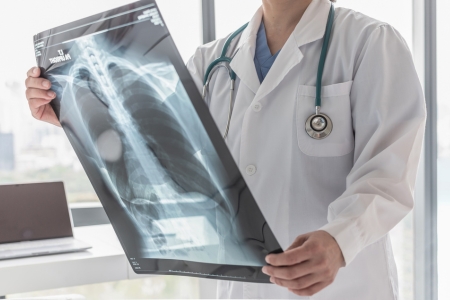
As part of promoting lung cancer awareness, it’s vital to recognize potential warning signs. Lung cancer can be a silent disease in its early stages, but symptoms may include:
- Persistent cough or worsening of a chronic cough
- Shortness of breath
- Chest pain
- Hoarseness
- Coughing up blood
- Unexplained weight loss
- Frequent respiratory infections
Advances in Screening: A Lifesaving Tool
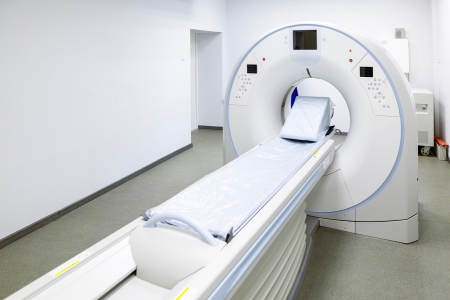
Low-dose computed tomography (LDCT) is currently the most effective screening tool for detecting lung cancer at an early stage. Annual LDCT screening is recommended for adults aged 50 to 80 with a significant smoking history (20 pack-years or more) and who currently smoke or have quit within the past 15 years.
This screening can detect small tumors before symptoms appear, enabling early treatment and better outcomes.
HHLI Supports Lung Cancer Awareness and Prevention
This Lung Cancer Awareness Month, take time to assess your risk factors, discuss them with loved ones, and encourage screening when appropriate. Early detection saves lives.
By scheduling regular checkups, asking the right questions, and staying informed through Harmony Healthcare Long Island, you take powerful steps to protect your health and promote community awareness.