

New Year, New Diabetes Care Plan: Simple Steps to Stay On Track

As we step into the new year, many people set health and diet goals. For those living with diabetes, this is an ideal time to reassess your diabetes care plan. Managing diabetes goes beyond simply monitoring blood sugar. It’s about creating a balanced lifestyle that supports overall well-being, including proper nutrition, regular physical activity, emotional health, and self-care. Diabetes affects millions worldwide, nearly 40 million people in the United States alone, and we at Harmony Healthcare Long Island (HHLI) believe it’s more important than ever to understand the disease, how to manage it, and how to prevent complications.
5 Simple Steps for An Easy-to-Follow Diabetes Care Plan
Staying on top of diabetes doesn’t have to be complicated. By following a few simple, practical steps, you can create an easy-to-follow care plan that helps keep your blood sugar in check and supports your overall health year-round.
1. Monitor and Manage Blood Sugar
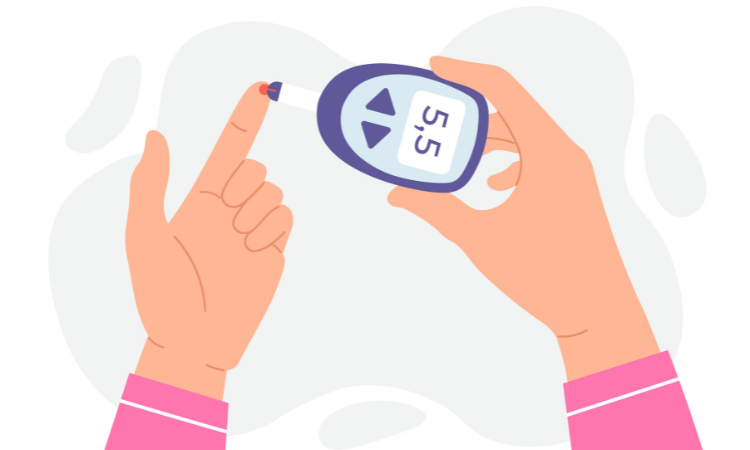
Daily monitoring and tracking of blood sugar can help prevent long-term complications such as heart disease, stroke, kidney problems, vision issues, and nerve or foot damage. Keeping blood sugar within a healthy range is the foundation of any diabetes care plan. You can stay on track by:
- Checking your blood sugar regularly, as recommended by your healthcare provider
- Tracking your readings to identify patterns and understand how foods or activities affect your levels
- Sharing these results with your doctor to fine-tune your care
2. Prioritize Nutrition

Food choices play a key role in managing diabetes. A well-balanced diet supports steady energy levels and blood sugar control:
- Focus on whole grains, lean proteins, fruits, vegetables, and healthy fats, including Omega-3s from salmon, nuts, and seeds
- Limit refined sugars and highly processed foods
- Plan meals and snacks at consistent times to stabilize blood sugar levels
- Incorporate probiotics to support gut health and balance sugar levels.
3. Build Healthy Lifestyle Habits
Small daily habits can have a big impact on managing diabetes and reducing the risk of complications, such as peripheral neuropathy. Even simple actions, like keeping healthy snacks on hand or checking your feet daily, can make a difference.
- Aim for at least 30 minutes of physical activity, 5 days a week
- Get enough sleep and maintain a consistent bedtime routine
- Stay hydrated and practice stress management techniques, such as deep breathing, stretching, or meditation
4. Support Your Emotional Well-Being

Living with diabetes can be emotionally challenging, which is why a strong diabetes care plan should also address your mental health:
- Talk to a counselor or join a support group to connect with others
- Set realistic, achievable goals to prevent burnout
- Celebrate small successes; every step forward counts
5. Reduce the Risk of Long-Term Complications
Managing diabetes effectively helps prevent serious health problems:
- Schedule annual eye exams to detect changes early and prevent vision loss.
- Avoid smoking, which strains circulation and can affect feet and overall cardiovascular health.
- Maintain a healthy weight and BMI to support heart health and blood sugar control.
How Can HHLI’s Health Services Help With Your Diabetes Care Plan?
From personalized treatment options to lifestyle guidance, HHLI’s health services are designed to make managing your diabetes easier and more effective. Our services include regular wellness check-ups, nutrition and exercise coaching, and ongoing support to ensure your overall treatment plan is working for you.
Refreshing your diabetes care plan is more than just a resolution; it’s a commitment to your long-term health. With the right support, practical strategies, and a focus on daily habits, you can feel confident managing your diabetes, and this year can be your healthiest yet.