
Children’s Eye Health: Common Problems and How to Spot Them
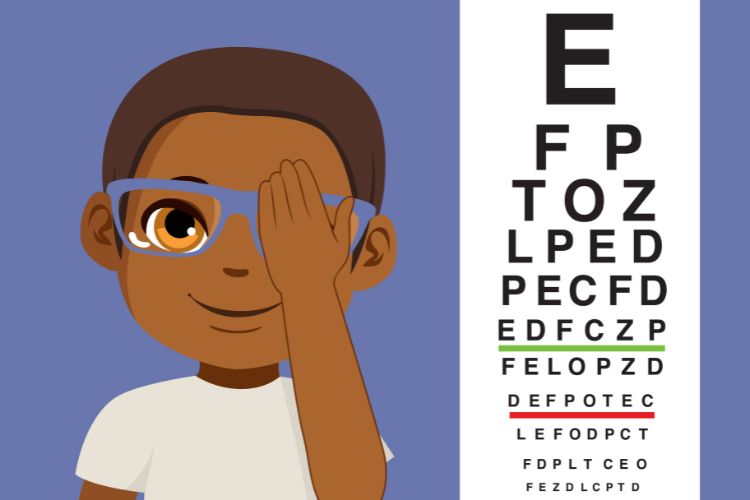
August is Children’s Eye Health and Safety Month, and with a new school year around the corner and screen time on the rise, now is the perfect moment to focus on your child’s vision. Healthy eyesight is key to learning, development, and everyday life, yet many kids face undiagnosed vision issues that can quietly affect their performance and well-being.
Spotting the early signs and taking preventive steps today can help keep their future in clear view
Common Vision Problems in Children
Children often don’t realize when they’re experiencing vision issues, which is why parents and caregivers play a crucial role in spotting them. Common signs of vision problems include:
- Frequent eye rubbing
- Squinting when trying to focus
- Holding books or screens too close
- Complaints of headaches or eye strain
- Poor school performance or difficulty with reading
- Trouble seeing distant objects such as the classroom chalkboard
These symptoms may indicate nearsightedness, farsightedness, astigmatism, or other vision issues that can often be corrected with early intervention and an eye exam by a qualified healthcare professional.
The Screen Time Effect is Real: Blue Light and Eye Strain
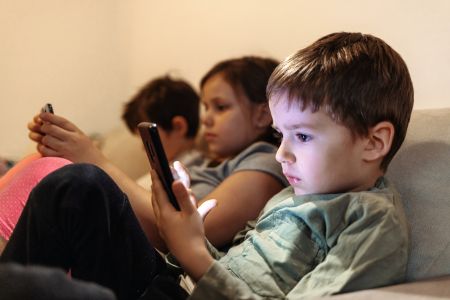
Today’s children are spending more time than ever in front of screens. They’re no longer just a source of entertainment; they’re increasingly being used for educational purposes as well. While technology can be beneficial, excessive screen time can lead to digital eye strain and overexposure to blue light, which may disrupt sleep cycles and contribute to long-term vision fatigue.
Signs of screen-related eye strain include:
- Blurred vision
- Dry or irritated eyes
- Neck and shoulder pain
- Difficulty refocusing after screen use
Balance is Key
While screens are a part of our everyday life, balance and control are essential. Encouraging breaks and setting limits can make a big difference in your children’s eye health. Limit screen time each day according to age, as follows:
- Under 2 years – Limited to video calls with friends and family (less than 1 hour total)
- Ages 2-5 – 1 hour per weekday, 3 hours per weekend day
- Ages 6-17 – less than 2 hours per day
- 18 and up – 2-4 hours per day with frequent breaks
Tips for Protecting Your Child’s Vision

Parents can take simple yet effective ways to support good eye health:
- Schedule Annual Eye Exams – Early detection is key to addressing vision problems.
- Wear Protective Eye Wear – Ensure safety goggles are worn during sports and activities that pose a risk of eye injury.
- Follow the 20-20-20 Rule – Every 20 minutes, look at something 20 feet away for 20 seconds.
- Limit Recreational Screen Time – Set screen-time boundaries, especially before bedtime.
- Encourage Outdoor Activities – Natural light helps support healthy visual development.
See the Future Clearly with Harmony Healthcare Long Island
At Harmony Healthcare Long Island, we understand the importance of protecting children’s eye health—now and in the future. Our team provides comprehensive and compassionate optometry services for children of all ages. Whether it’s a routine exam, addressing screen time concerns, or treating a specific condition, we’re here to support your family and keep your child’s eyes healthy.