Understanding Blood Pressure, Cholesterol, and Heart Risks

February is American Heart Health Month, a time dedicated to raising awareness about heart health and prevention. Many people know that high blood pressure and high cholesterol are considered “bad,” but they may not fully understand why or how they impact the heart. Understanding blood pressure is an important first step, as it measures the force of blood pushing against the walls of the arteries. When blood pressure stays consistently high, it forces the heart to work harder than it should, increasing the risk of heart disease, stroke, and other serious health problems.
Understanding Blood Pressure Starts with the Numbers
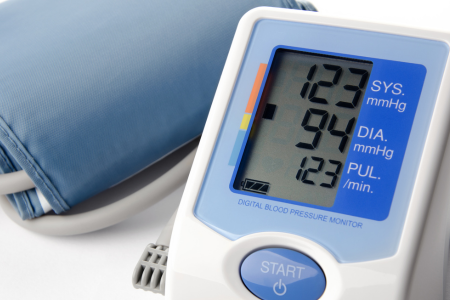
To start understanding blood pressure, it helps to know that it’s the pressure your blood exerts on your artery walls as your heart pumps. Blood pressure is recorded as two numbers, for example, 120/80 mm Hg:
- Systolic (top number): Measures pressure when your heart beats.
- Diastolic (bottom number): Measures pressure when the heart rests between beats.
Let’s dive deeper into what the numbers mean according to the American Heart Association:
Healthy Blood Pressure (Good Numbers)
- Normal: Less than 120/80 mm Hg — this is generally considered an ideal range for most adults.
Higher-Risk Blood Pressure (Bad Numbers)
- Elevated: 120–129 / <80 mm Hg — a warning sign to take action.
- Stage 1 Hypertension: 130–139 / 80–89 mm Hg — associated with increased heart risk.
- Stage 2 Hypertension: ≥140 / ≥90 mm Hg — higher risk of heart attack, stroke, and other complications.
High blood pressure makes the heart work harder and damages blood vessels over time, leading to heart attacks, strokes, and kidney problems.
Cholesterol: The Good, the Bad, and Knowing the Difference
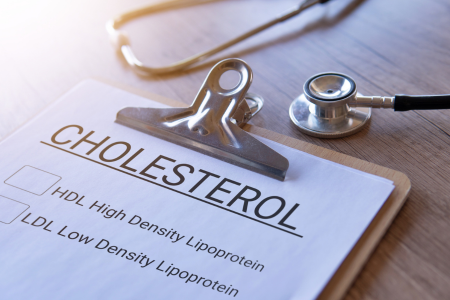
Cholesterol is a fat-like substance found in your blood that your body uses to build healthy cells, make hormones, and produce vitamin D. Understanding the difference between good and bad cholesterol is key to protecting your heart:
- HDL (High-Density Lipoprotein): This is known as “good” cholesterol because it carries excess cholesterol in your blood back to your liver, where it is broken down and removed from your body; having higher levels of HDL can help maintain heart health.
- LDL (Low-Density Lipoprotein): This is considered “bad” cholesterol because it carries cholesterol to your cells, and when there is too much LDL in the blood, it can build up in the walls of your arteries, causing them to narrow and reducing blood flow. This can cause heart attack, stroke, or peripheral artery disease.
Regular lab tests measure the following:
- Total cholesterol: <200 mg/dL — desirable.
- LDL (“bad”): <100 mg/dL — the lower, the better, for most people.
- HDL (“good”): ≥60 mg/dL — higher levels help protect the heart.
Higher-Risk Cholesterol Numbers:
- Total cholesterol: ≥240 mg/dL — considered high.
- LDL: ≥160 mg/dL — high, increases artery clogging risk.
- HDL: <40 mg/dL — low, linked to higher risk.
Take Control: Practical Steps to Lower High Blood Pressure and Cholesterol

High blood pressure and high cholesterol often go hand in hand, but the good news is that many lifestyle changes can help manage both. Diet, physical activity, weight management, stress levels, and regular medical care all play a role. By making consistent, heart-healthy choices, you can improve circulation, reduce strain on your heart, and significantly lower your risk of heart disease and stroke.
Tips to Lower Blood Pressure and Cholesterol:
- Quit smoking
- Limit alcohol
- Limit saturated and trans fats to lower LDL
- Increase fiber intake, especially soluble fiber
- Reduce sodium to help control blood pressure
- Exercise (at least 150 minutes of moderate activity per week)
- Maintain a healthy weight
- Monitor your numbers with routine checkups
- Manage stress through relaxation techniques, sleep, and mindfulness
- Take prescribed medications as directed, if recommended by your provider
- Eat a heart-healthy diet rich in fruits, vegetables, whole grains, lean proteins, and healthy fats
At Harmony Healthcare Long Island, our team is here to help you take control of your heart health and your overall well-being. From preventive screenings and primary care to chronic disease management and lifestyle counseling, we provide personalized, compassionate care to all members of the community.