

Why is Everyone Talking About Protein Benefits?
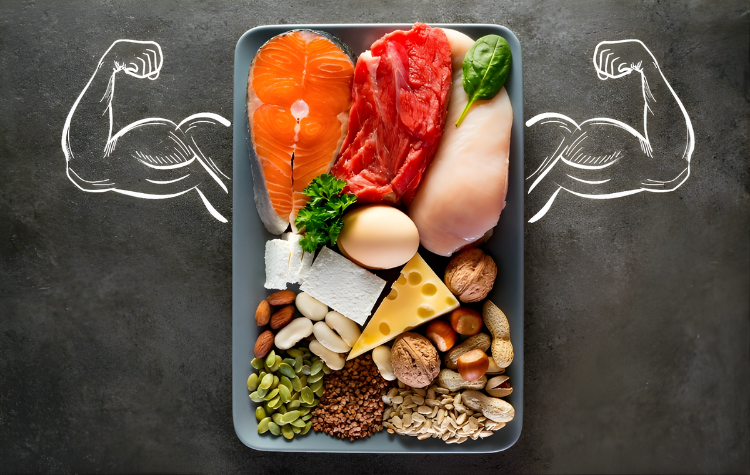
In recent years, protein has become a household name in the world of health and fitness. With new trends, diets, and workouts emphasizing protein, it’s clear this essential macronutrient is getting more attention than ever. From muscle repair to weight management, protein benefits are widely acknowledged by fitness enthusiasts and health professionals alike. But how much protein should you be consuming? Is there such a thing as too much protein? And are all protein sources equal, or do some fall short? In this blog, we’ll answer all of these questions and more.
The Most Important Protein Benefits for Your Body

When it comes to nutrition, protein stands out for its critical role in supporting many essential bodily functions. Here’s a closer look at how protein supports overall health:
1. Muscle Growth and Repair
Protein helps build and repair muscle tissue, which is crucial for those who exercise regularly or are recovering from injury.
2. Weight Management
One of the most well-known protein benefits is increased satiety. Protein helps you feel fuller longer, which can support portion control and reduce overeating.
3. Enzyme and Hormone Production
Many enzymes and hormones are proteins that support digestion and metabolism and regulate bodily functions.
4. Immune System Support
Protein is needed to produce antibodies that help strengthen the immune system to fight off infections and illnesses.
5. Bone Health
Adequate protein intake supports bone density and strength, which becomes increasingly important as we age.
6. Cellular Function
Every cell in the body needs protein to function properly, supporting cellular structure and processes.
So, How Much Protein Should You Have Each Day?
The right amount of protein depends on several factors, including age, sex, activity level, and overall health. Below is a general breakdown of the recommended daily allowance (RDA) for protein intake:
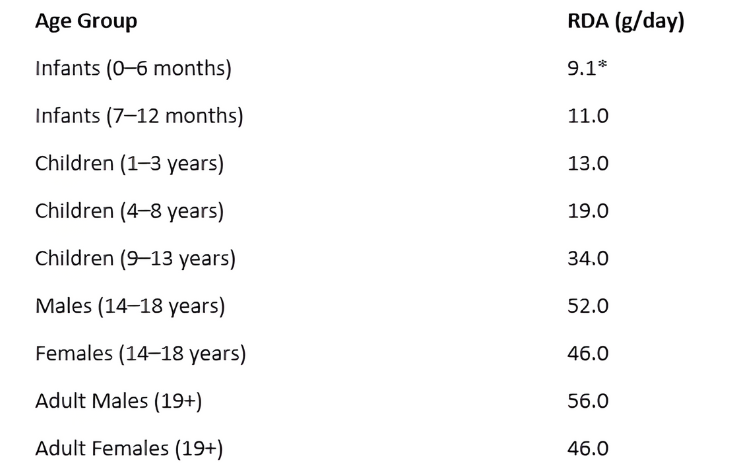
*For infants, values reflect estimated intake.
For children participating in team sports, protein needs may fall within a higher range. These recommendations are based on guidelines from health authorities, such as the National Institutes of Health (NIH). Individuals who are more physically active or looking to build muscle may require more protein, often between 1.2–2.0 grams per kilogram of body weight.
Best Foods and Additional Protein Sources
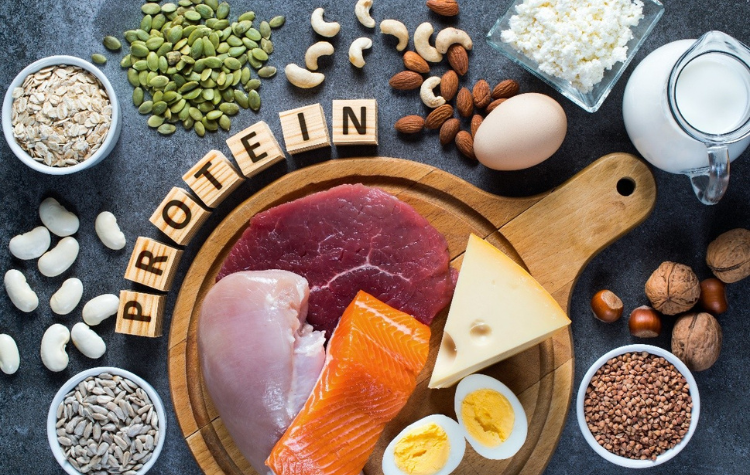
To meet daily protein requirements and support key protein benefits such as muscle repair, satiety, and metabolic health, consider the following whole-food sources, including:
- Lean meats: Chicken, turkey, lean beef, and pork
- Fish and seafood: Salmon, tuna, shrimp, and sardines
- Eggs: A complete protein containing all nine essential amino acids
- Dairy: Greek yogurt, milk, and cottage cheese
- Legumes: Lentils, chickpeas, beans, and peas
- Nuts and seeds: Almonds, chia seeds, pumpkin seeds, and walnuts
- Tofu and tempeh: Excellent plant-based protein options
- Whole grains: Quinoa, oats, and brown rice
For convenience, many people also turn to protein powders, shakes, and bars. These can be helpful for those on the go or who struggle to meet their protein needs solely through food. Some popular options include whey protein, plant-based proteins (such as pea or hemp), and casein protein.
Poor Protein Choices to Watch Out For

Not all protein sources offer the same health benefits, so it’s important to choose wisely. Processed meats like sausages, hot dogs, and deli meats often contain high levels of sodium, preservatives, and saturated fat, which may increase the risk of heart disease and high blood pressure.
Similarly, some protein bars and shakes are loaded with added sugars, artificial sweeteners, and low-quality fillers. Reading nutrition labels carefully and prioritizing minimally processed, whole-food protein sources is the best way to get nutrient-dense protein benefits without unnecessary additives.
How Protein Supports a Healthier Lifestyle
Protein is a vital part of a healthy, balanced diet, offering important benefits such as supporting muscle mass, aiding weight management, enhancing immune function, and promoting overall health.
At Harmony Healthcare Long Island, we emphasize the role of proper nutrition in preventing chronic disease. Our team works with individuals to develop personalized nutrition plans that maximize protein benefits, reduce illness risk, and support lasting health goals.